reporting & writing
I love to write about warm, detailed stories about people, communities, and exciting events that touch my readers’ hearts slowly and emotionally. But I also enjoy writing sharply and critically on challenges in government and politics, education, social justice, and environmental violence.
As a journalist at a STEM school, I am trying out writing science essays. More than ever, it is crucial to use data, facts, and reasoning to build a claim. Whether I’m writing about something I’m familiar with or something totally new, I approach each topic with urgency and depth, connecting research, history, and personal narratives to make compelling arguments or informational media.
In my opinion-writing, I prefer to use a bold approach as a tool to let me dig deep into a topic, in a mix of investigative reporting and research. Critical thinking is the technical tool to allow you to know what to fill empty holes with, and guts allows me to have courage and belief in what I’m investigating. I am a strong believer that you can do anything if you fuel your mind and your spirit and speak based on facts.
Feature 1
The Art of persistence: Eastern market and its small businesses
August 18, 2023



This is a news article I wrote during a weeklong summer journalism program, called the Asian American Journalists Association (AAJA) JCamp, in the summer of 2023. JCamp is a prestigious national journalism program for high school journalists, with an acceptance rate of ~5% (30 students per cohort every year). I wrote this article in exactly two days as part of the program’s man-on-the-street (MOS) interviews training, in which all of us worked independently on a story. I wrote this article on my own, from the structure to the specific language, and edited this over a series of 3 days with my journalism mentor and Washington Post reporter Arelis Hernandez. The most important thing I took away from this editing process with her was how to “kill the baby,” or in other words take out unnecessary details that don’t contribute to the main idea of my writing. This is a skill I still use in my editing processes today, from editing my own writing to revising those of my peers and student newspaper journalists as editor-in-chief.
My original story was about the resilience of small businesses at Eastern Market, which was timely because the day I went to conduct my MOS interviews in person, it was the 100th anniversary of the market. As one of D.C.’s oldest public markets, Eastern Market has long been a hub for independent vendors, but many now face mounting pressures from rising rents, shifting consumer habits, and the lasting effects of the COVID-19 pandemic.
In my writing, I aimed to capture not just the struggles of these businesses but their persistence, as owners adapt through innovation and strong community ties. More than a local marketplace, Eastern Market represents a broader fight to preserve small businesses in rapidly changing urban landscapes.
Link to published article on AAJA JCamp’s Medium page
Feature 2
How to Newspaper from High School to College, with Sellers Hill ‘20
May 24, 2024
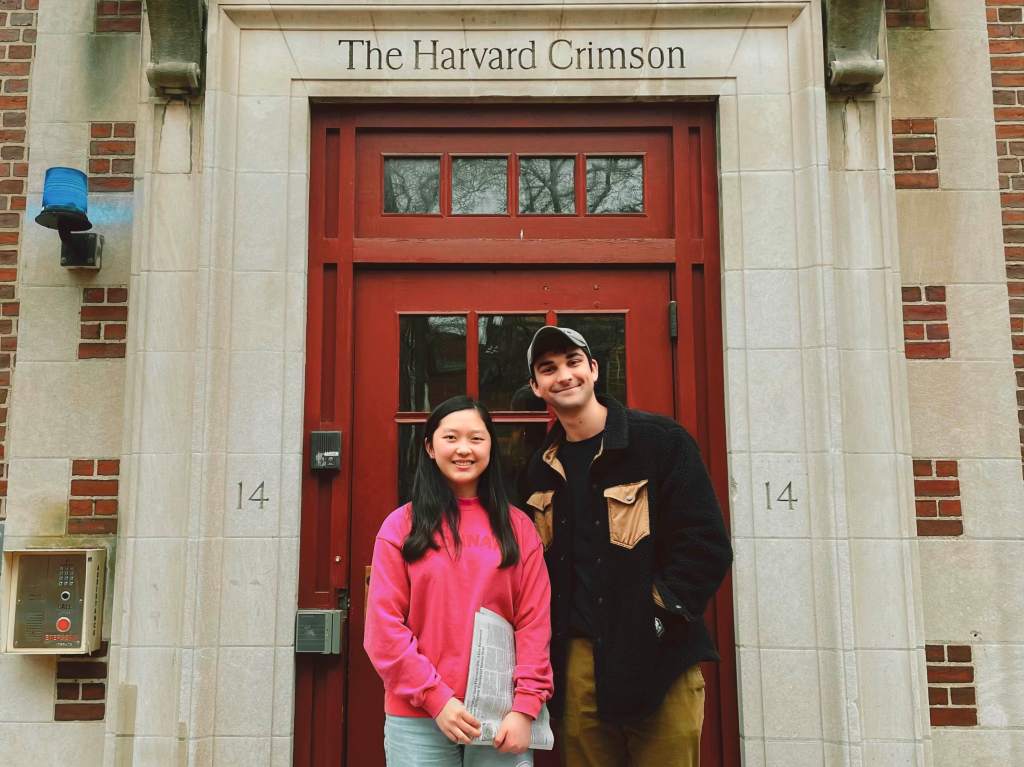
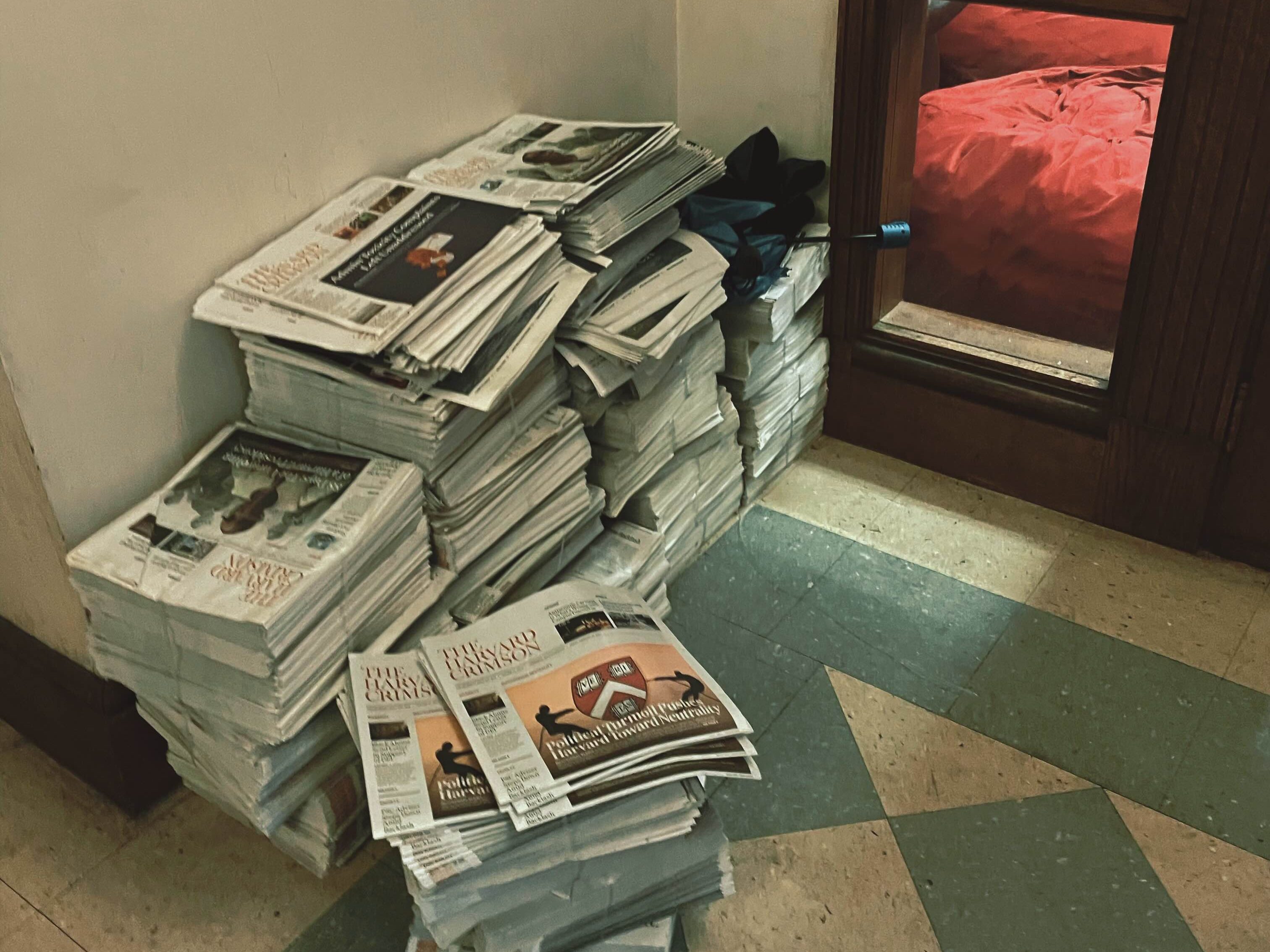

In my article, I explored the journey of Sellers Hill (‘20) from high school journalism at NCSSM’s The Stentorian to his leadership role at The Harvard Crimson. Through our conversation, Hill shared how his initial academic focus on engineering gradually shifted as he discovered a deep passion for writing and reporting. His time at The Stentorian provided a foundation in journalism, despite having no formal training, and prepared him for the fast-paced environment of college newspapers.
At Harvard, Hill fully immersed himself in The Crimson, eventually becoming its 151st president. He discussed the intense demands of the role—balancing academics and leadership responsibilities while dedicating up to 90 hours a week to the newspaper. Despite the challenges, Hill emphasized the importance of student journalism as both a historical record and a voice for the student body.
Through this interview, I gained insight into how early experiences in high school journalism can shape future opportunities. Hill’s story highlights the value of taking initiative, embracing unexpected passions, and the crucial role student newspapers play in shaping campus discourse.
Link to published article on The Stentorian
News Feature
CLASS OF 2024 SENIORS ACCEPTED TO OVER 49 US COLLEGES
May 21, 2024
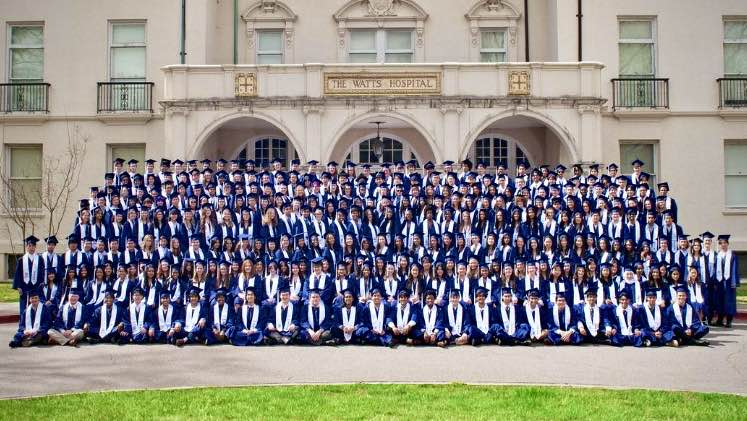
In my article, I reported on the NCSSM Class of 2024’s college acceptances, noting that seniors were admitted to over 49 U.S. institutions. I highlighted that 78.8% of reporting students chose in-state colleges, with 163 committing to UNC-Chapel Hill. I also examined the impact of the first admissions cycle without affirmative action, mentioning that 7.61% of seniors were accepted to Ivy League schools, MIT, or Stanford. To provide a clearer picture of college decisions, I included data from 289 out of 317 seniors. Finally, I noted that NCSSM Counseling Services planned to release full acceptance data in June.
Link to published article on The Stentorian
Opinion 1
CAN CHAPEL HILL EASE HOUSING STIGMAS AS NEW NEIGHBORHOODS RISE?
October 27, 2023

The following is the original column I wrote about housing stigmas in Chapel Hill, which sparked meaningful conversations in my community. My goal was to highlight how outdated perceptions of affordable housing impact the town’s ability to grow inclusively, especially as new developments emerge. I believed it was important to clarify rezoning policies and arguments on the sides of the local town council government (and its affiliated departments) and the residents and students, as municipal elections approached.
Chapel Hill is often seen as a progressive and forward-thinking town, yet deeply ingrained stigmas around affordable housing persist, influencing public sentiment and policy decisions. As I explored in my article, these biases can shape everything from neighborhood opposition to the way new housing projects are introduced and discussed. In a town where the median home price has soared to over $600,000 and the average rent for a one-bedroom apartment now exceeds $1,500, these attitudes have real consequences—limiting housing options for essential workers, young professionals, and lower-income families.
Despite efforts to expand affordable housing—including the town’s affordable housing bond and recent projects like the Trinity Court redevelopment—pushback from certain residents remains strong. Concerns about traffic, crime, and property values are often cited, even though studies show that well-managed affordable housing developments do not negatively impact surrounding home values. Meanwhile, Chapel Hill’s housing supply remains constrained, with a vacancy rate of just 5.5% compared to the national average of around 6.5%, further driving up costs.
Writing this piece reinforced the importance of local journalism in challenging assumptions and fostering dialogue. It also underscored how narratives around housing shape policy outcomes. As Chapel Hill navigates its future, the question remains: can we move past outdated stigmas and build a more inclusive town?
Link to published article on Chapelboro.com
Opinion 2
ncssm.edu cares about everything but its students
September 20, 2024
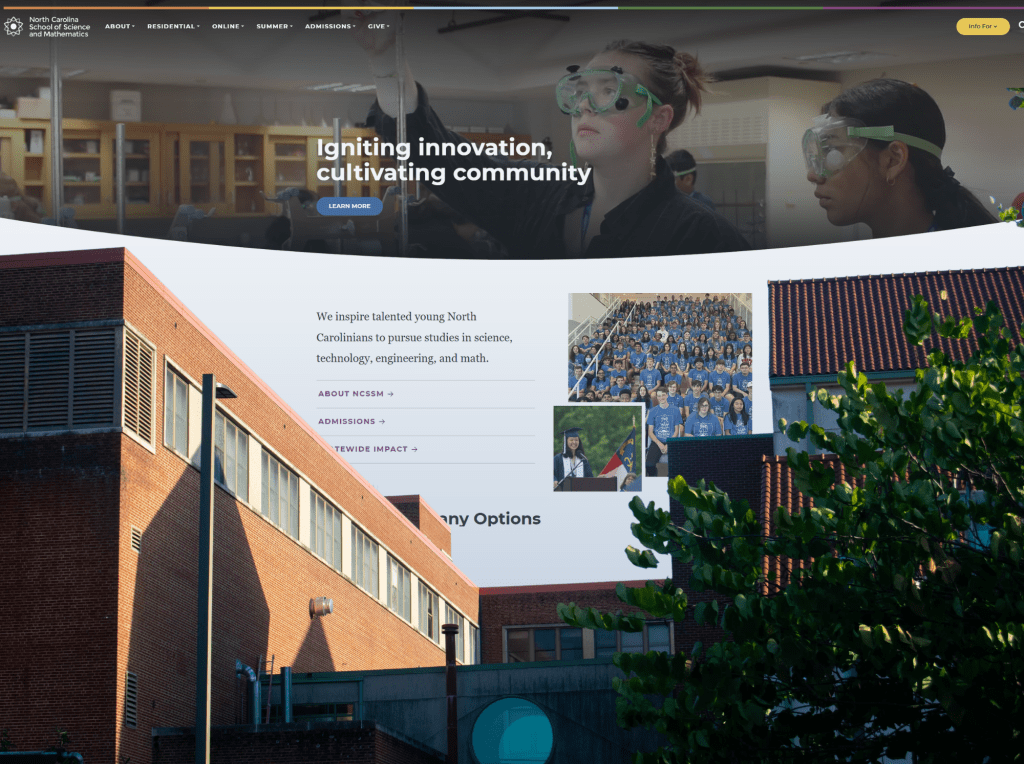
This is an original opinion piece I wrote about my school’s administrative priorities as seen through the school website, which resonated with many students and sparked widespread discussion. This story was the most-viewed story for three months, even after it was first published in The Stentorian’s September 2024 issue. My goal was to shed light on the disconnect between the school’s outward messaging and the reality of student experiences, particularly regarding mental health, workload, and institutional decision-making.
My school, the North Carolina School of Science and Mathematics (NCSSM), prides itself on being a leader in STEM education, emphasizing “innovation,” “excellence,” and “community impact.” We are an admissions-based, residential high school for 11th and 12th grade students. Twice we have been ranked the #1 Best Public High School in the US on Niche, and still are, proving the school’s strong priority towards students. But how, and in what form, specifically? As I explored in my article, these priorities often overshadow the well-being of the students who make the institution what it is. While the school promotes cutting-edge programs and partnerships, many students struggle with overwhelming academic pressure, inadequate mental health resources, and a sense that their voices are not truly heard. Despite student-led efforts to advocate for meaningful change, institutional responses frequently prioritize optics over substantive reform. These are all demonstrated on ncssm.edu, the ultimate amalgamation of NCSSM’s nonrepresentative marketing strategies.
This article highlighted specific examples of these contradictions, from scheduling policies that ignore student well-being to administrative decisions that lack transparency and input from those most affected. NCSSM students are among the brightest in the state, yet they are often treated as an afterthought in policies that shape their daily lives. My reporting on these issues reinforced the importance of holding institutions accountable—not just for their public image, but for the lived experiences of those they serve, which are the students.
Link to published article on The Stentorian
Opinion 3
You didn’t understand the assignment
March 2, 2025
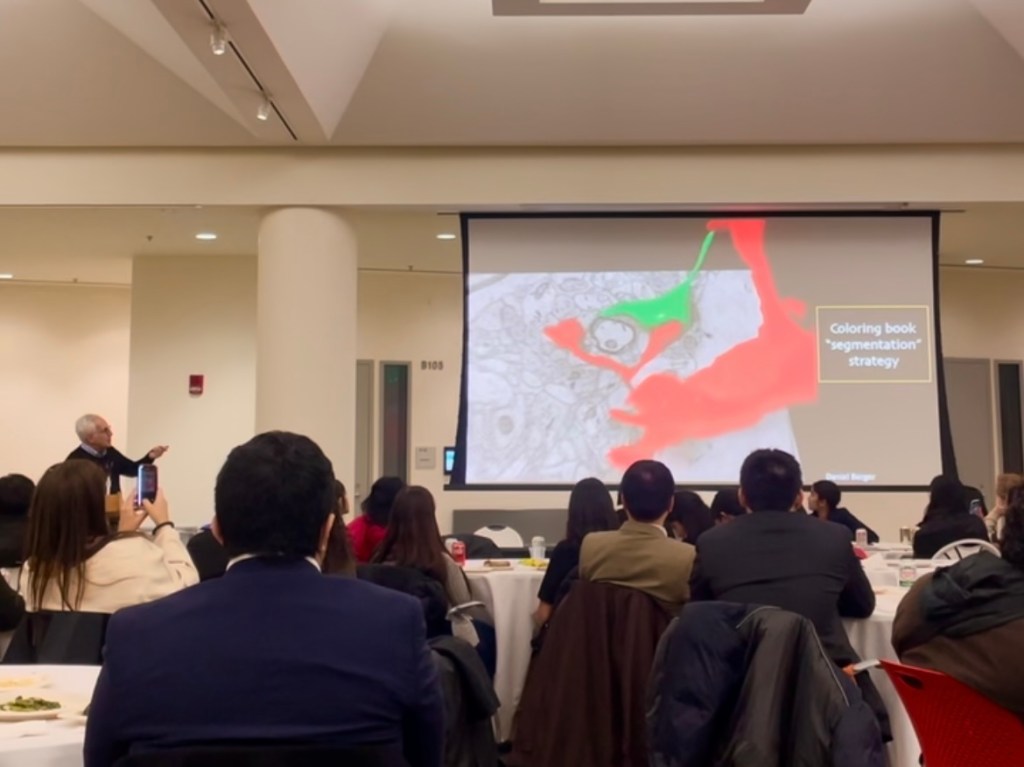
This is an original opinion piece I wrote about the value of school and what a fruitful education looks like, which resonated with many teachers at my school. Initially, I wrote this as a reflection piece or rebuttal to a talk I heard by Dr. Jeff Lichtman, Harvard University Dean of Science, earlier in February 2025. My goal was to shed light on misunderstandings of education, against its claims of irrelevancy, a demand for “correct” answers, and instillation in a fear of failure. Responding to each of the four points Dr. Lichtman makes about the “failures” of modern educators, rm argument is that the value of education should be dependent on the skills the system imparts on its students for the real, structureless world.
Link to published article on The Stentorian
Science Essay
when bioinformatics looks like hot dogs: how b-cell and t-cell epitope prediction preps you against pathogens
September 25, 2024

I was able to earn the opportunity to write this article as part of Curious Science Writers (cSw), a national science communication summer program for high school students, which accepts 24 students every year in a highly competitive application process. Throughout the summer of 2024, I learned many science communication skills, as well as hear lessons and stories from other science communicators and experts from Johns Hopkins University, UC Davis, New York Times graphic illustrators, and more, from this bootcamp. For this story, I independently contacted and interviewed Dr. Alessandro Sette, a professor at the La Jolla Institute for Immunology in San Diego, California, and Director of the Center for Cancer Immunotherapy and Center for Vaccine Innovation. Working alongside him, my designated cSw mentor Dr. Rasika Vartak, and the program’s editors, I revised my article to make sure the science and writing both made sense and were accurate, over a duration of 2 months. Since I was inspired to write about this topic because of my experience in Molecular and Cellular Biology and Immunology courses at my high school, I was also able to understand the foundational knowledge and create appropriate accompanying figures/visualizations for my article.
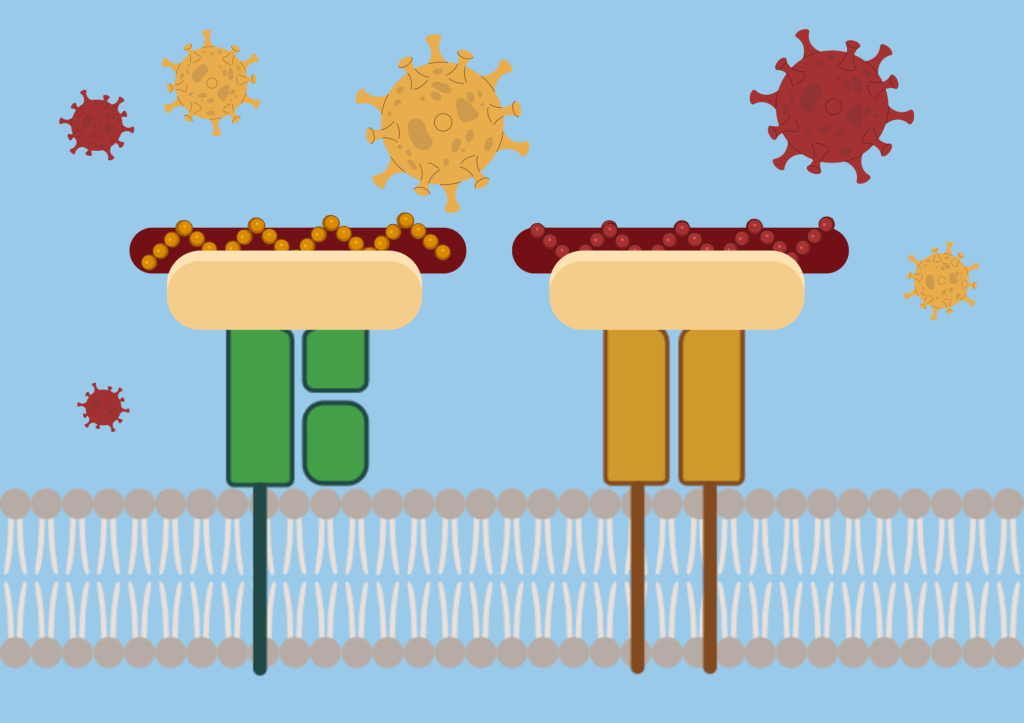
This is a science article I wrote this year about epitope prediction and its role in immune defense. Bioinformatics tools that identify T-cell and B-cell epitopes help researchers develop vaccines and treatments by predicting how the immune system will respond to pathogens.
I aimed to make a complex topic accessible by using relatable analogies—like comparing epitope prediction to identifying hot dogs at a cookout. In an effort to not simplify the science but instead shine a light on a part of its translation in lay terms, this piece highlights how computational biology is transforming medicine, showing that even highly technical fields have direct impacts on public health.
Link to published article on Curious Science Writers
 Teresa Fang